
Recipes
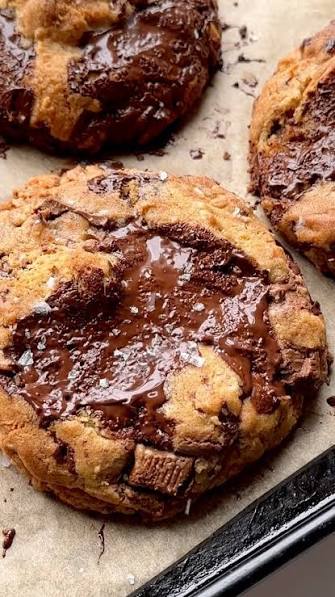
cookies chocolate
The Professional Method (Step-by-Step) Stage 1: Mise en Place (Prep) Preheat oven to 170°C (340°F) fan-forced (or 190°C / 375°F conventional). Line baking sheets with parchment or silicone mats. Toast the walnuts: Spread the 100g walnuts on a tray and toast at 170°C for 6–8 minutes until fragrant. Cool completely before using. Sift together the T55 flour, corn flour, baking powder, and baking soda into a bowl. Set aside. Stage 2: Creaming (The Foundation) In a stand mixer with the paddle attachment (or hand mixer), beat the 130g butter (must be softened, not melted) with the 80g brown sugar and 50g white sugar. Beat on medium speed for 4–5 minutes until the mixture is very light, pale, and fluffy. Pro tip: Scrape the bowl down twice during this stage. Proper creaming incorporates air, which reacts with your baking powder + soda for a good rise. Stage 3: Wet Incorporation Reduce mixer speed to low. Add the 60g eggs (beat them lightly in a separate bowl first) in 3 separate additions, mixing for 20 seconds after each. Add the 5g vanilla bean paste and mix until just combined. Scrape the bowl to ensure no butter is stuck at the bottom. Stage 4: Dry Incorporation (Critical Step) With the mixer on the lowest speed, gradually add your sifted dry ingredients. Mix only until the flour streaks disappear (about 10–15 seconds). Do not overmix – T55 flour has moderate protein, and overworking it develops gluten, making cookies cakey instead of chewy. Stage 5: Add-Ins (Folding Method) Remove the bowl from the mixer. Using a flexible spatula, fold in the 100g cooled toasted walnuts and 260g dark chocolate chips by hand. Fold gently until evenly distributed – about 8–10 turns. Over-folding here will crush the walnuts. Stage 6: Resting / Hydration (Mandatory for this recipe) Cover the bowl tightly with plastic wrap and refrigerate for at least 2 hours (up to 48 hours). Why? Your recipe uses both baking powder and soda – the powder needs time to hydrate for an even rise. Also, the high ratio of chocolate (260g) will firm up in the fridge, preventing the cookies from spreading into greasy puddles. Stage 7: Portioning & Baking Using a cookie scoop (#20 or #24 size, about 50–60g per cookie), portion the chilled dough onto your baking sheets. Space them 6–8 cm (3 inches) apart – these will spread. Bake at 170°C fan for 12–14 minutes (or 190°C conventional for 10–12 min). The cookies are done when the edges are set and golden, but the centers still look slightly pale, puffy, and underdone. For your high chocolate content: If you see chocolate bubbling on top, that’s fine – just don’t overbake. Stage 8: Cooling Let the cookies rest on the hot baking sheet for 6–8 minutes (this lets the molten chocolate set up). Transfer to a wire rack to cool completely. Pro tip: While still warm, gently press a few extra chocolate chips or a walnut half into the top for a bakery-style finish.
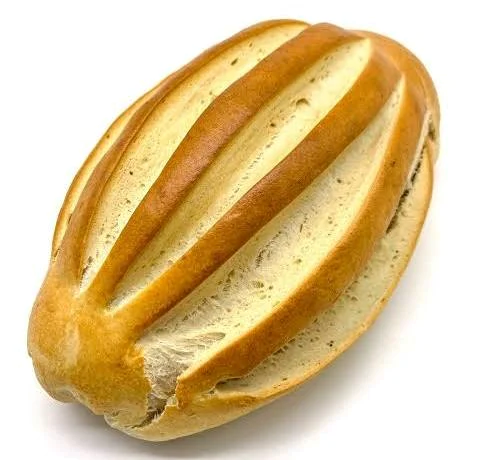
Pain Brie
WORK METHOD Base temperature: 70 °C to 74 °C. Mixing: Place all ingredients for kneading in the bowl of a spiral mixer. Scratching/Blending: Approximately 6 minutes on 1st speed. Kneading: Approximately 6 minutes on 2nd speed. Consistency: Firm dough. Dough temperature: 23 °C. Bench rest/Pointing: Approximately 15 minutes. Weighing/Scaling: Dough pieces of 500 g. Shaping: Roll into balls. Resting: Approximately 15 minutes. Molding/Shaping: Shape into batards. Place on a couche (floured linen), seam side up. Proofing: Approximately 2 hours (cover the batards so they do not form a crust). Scoring: 1 slash with the lame down the center lengthwise, then 3 parallel slashes on each side. Baking: Approximately 25 minutes at 240 °C in a deck oven, with plenty of steam. Cooling: On a wire rack.
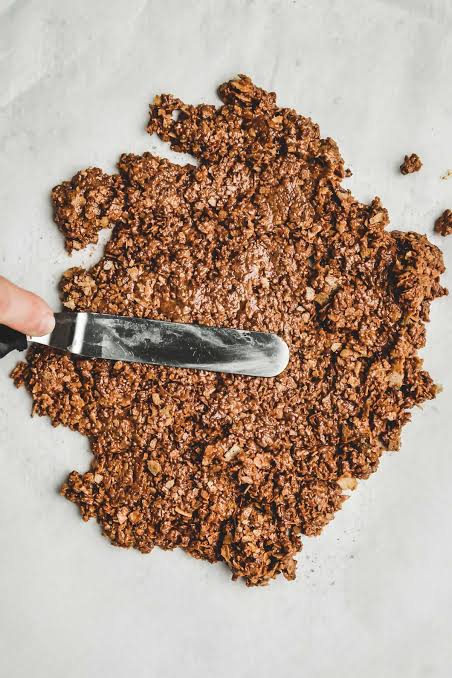
croustillant praline
The Method The process is straightforward and follows the standard method for this type of base. Melt the Chocolate: Gently melt the milk chocolate. The best way to do this is using a bain-marie (a heatproof bowl set over a pan of barely simmering water). Make sure the bottom of the bowl does not touch the water. Stir until the chocolate is completely smooth, then remove it from the heat. Combine with Praline Paste: Add the praline paste to the melted chocolate. Stir thoroughly until you have a homogenous, smooth mixture. Make sure both are at a similar temperature to avoid the chocolate seizing. Fold in the Feuilletine: Gently fold in the feuilletine flakes. The goal is to mix until all the flakes are evenly coated with the chocolate-praline mixture. Try to handle it as little as possible once the feuilletine is added to keep the pieces as crisp as possible. Mold and Set: Transfer the mixture to your prepared mold, ring, or the base of your cake pan. Press it down firmly and evenly. You can use the back of a spoon or an offset spatula to create a smooth, compact layer about 0.5 cm thick. Place it in the refrigerator to chill for at least 20-30 minutes until it is firm and set. For a longer project, you can also put it in the freezer until you are ready to use it. Once set, your praline croustillant is ready to be used as a base for entremets, tarts, or other
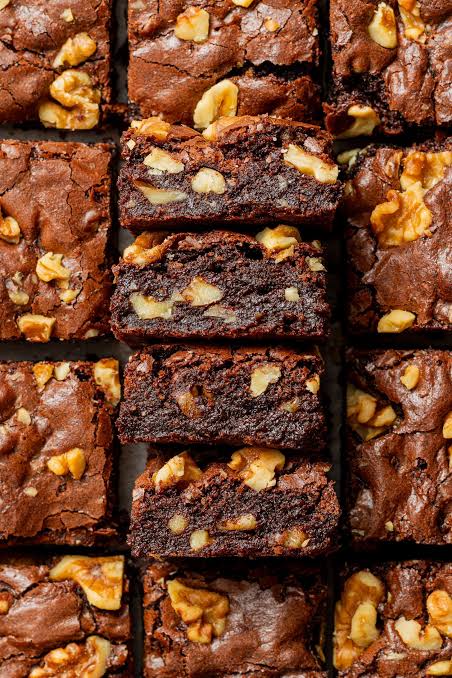

red velvet cookies
Preheat oven to 350°F (175°C). Line baking sheets with parchment paper. In a bowl whisk together flour (270 g), baking soda (5 g) and salt (3 g). In a separate large bowl, cream butter (170 g) and granulated sugar (if not listed, assume 150 g) until light and fluffy. — If you prefer exact sweetness, use 150 g granulated sugar. Beat in egg (50 g) and vanilla (5 g) until combined. Mix in cocoa powder (15 g) until evenly distributed. Gradually fold the dry ingredients into the wet mixture until just combined. Stir in white chocolate chips (170 g). Scoop tablespoon-sized portions onto prepared sheets, spacing ~5 cm apart. Bake 10–12 minutes, until edges are set. Centers may look slightly soft. Cool on the sheet 5 minutes, then transfer to a rack to cool completely.
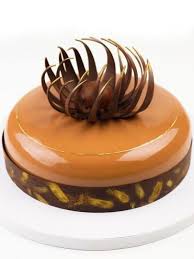
caramel glaze mirror
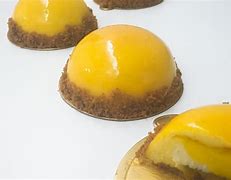
The Method (Makes approx. 1.8 kg of glaze) Step Action Details & Tips 1 Bloom Gelatine If your 210g gelatine mass isn't pre-made, rehydrate 30g gelatine powder in 180g cold water (1:6 ratio). Let sit for 10-15 min. 2 Cook the Syrup In a saucepan, combine 225g water, 450g glucose, and 450g sugar. Heat to 103°C – 106°C (217°F – 223°F). Do not stir once boiling to avoid crystallization. 4 Melt Chocolate Pour the hot syrup over 150g couverture milk chocolate with condensed milk in a tall container. Let sit for 1 minute, then stir gently until melted and combined. 5 Add Gelatine Add the 210g gelatine mass (fully melted/smooth) to the warm mixture. Stir until completely dissolved. 6 Add Color Add 1g yellow food coloring (gel or powder preferred; if liquid, reduce water slightly). Use an immersion blender to emulsify fully. 7 Blend & Deaerate Blend with immersion blender submerged to avoid air bubbles. Then tap the container on the counter to bring bubbles to the surface. Pass through a fine-mesh sieve or use a blowtorch briefly over the surface to pop bubbles. 8 Cool to Usage Temp Cover with plastic wrap touching the surface. Refrigerate until glaze reaches 30°C – 35°C (86°F – 95°F) — the ideal viscosity for pouring. Do not use colder, or it will be too thick.
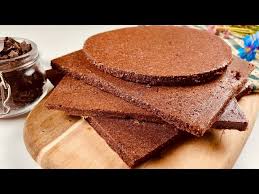
hazelnut biscuit
Method Prep Preheat oven to 170 °C (340 °F). Line a baking sheet or a cake frame with parchment paper. Mix dry base Sift together hazelnut powder, icing sugar, and flour. Set aside. Whole eggs + trimoline In a bowl, whisk whole eggs and trimoline until slightly pale and frothy. (Trimoline adds moisture and tenderness.) Combine dry + egg mixture Fold the sifted dry ingredients into the egg‑trimoline mixture until just combined. Melted butter Stir in the melted butter gently. Meringue In a clean bowl, whip egg whites to soft peaks, then gradually add the sugar and beat to firm, glossy peaks. Fold Fold ⅓ of the meringue into the hazelnut batter to loosen, then gently fold in the rest until no white streaks remain. Don’t overmix – keep air in. Bake Spread batter evenly (about 5–7 mm thick for a thin biscuit layer). Bake for 10–12 minutes until golden and springy to touch. Cool Let cool on the tray, then peel off paper. Use as a cake base, roll into a roulade, or cut into shapes.

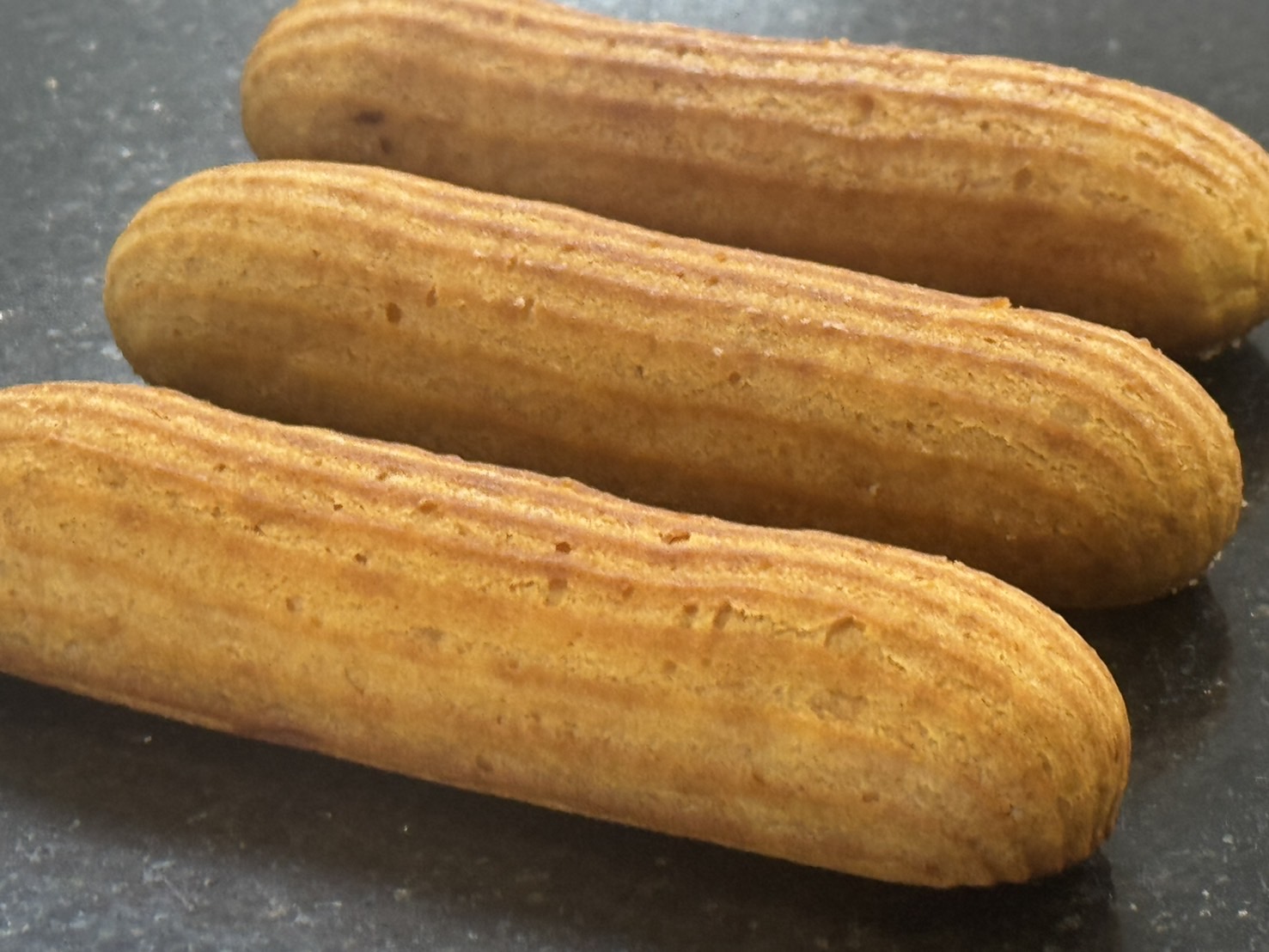
pate a choux MOF
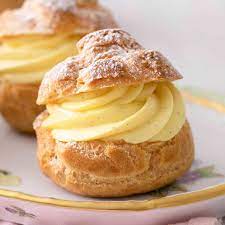
Step-by-Step Method 1. Cook the liquid, butter, salt (and sugar) In a saucepan, combine water (or milk + water), butter, salt, and sugar. Bring to a rolling boil over medium heat — butter should be fully melted before it boils. 2. Add flour all at once Remove pan from heat. Add all the flour at once. Stir vigorously with a wooden spoon until the flour is fully absorbed. 3. Dry the dough (dessécher) Return pan to medium heat. Stir constantly for 1–2 minutes. A thin, dry film will form on the bottom of the pan. The dough should pull away from the sides and form a smooth ball. 4. Cool slightly Transfer dough to a mixing bowl (or stand mixer with paddle). Let it cool for 2–5 minutes — you want it warm, not hot, so eggs don't scramble. 5. Add eggs gradually Beat eggs in a small bowl. Add them little by little (starting with a few tablespoons), mixing thoroughly after each addition. After each addition, the dough will look broken/separated, then come back together into a smooth, glossy paste. Stop adding eggs when: The dough is thick but pipeable It slowly falls from a spoon in a V-shape (“ribbon stage”) You don’t see cracks on the surface

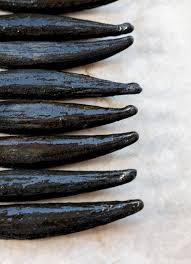
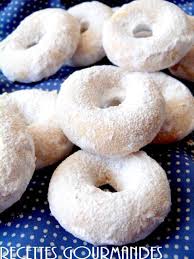
Honey Crown cookies
1. add butter and flour 2. add eggs 3. add honey, lemon zest and baking powder 4. mix well together and place in chiller for few hour 5. roll the dough and make donut shape 6. bate at 170 for 15mn 7. place in icing sugar after baking
oatmeal cookies
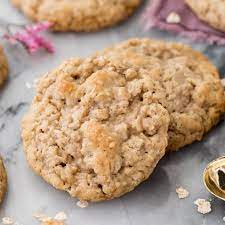
1. Creaming method. 2. Combine oats with other dry ingredients after they are sifted. Blend raisins in last. 3. Use greased orparchment-lined baking sheets. 4. baking at 190°C for 10–12 minutes, de- pending on size
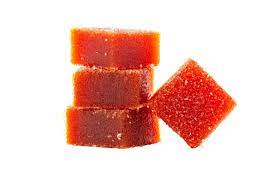
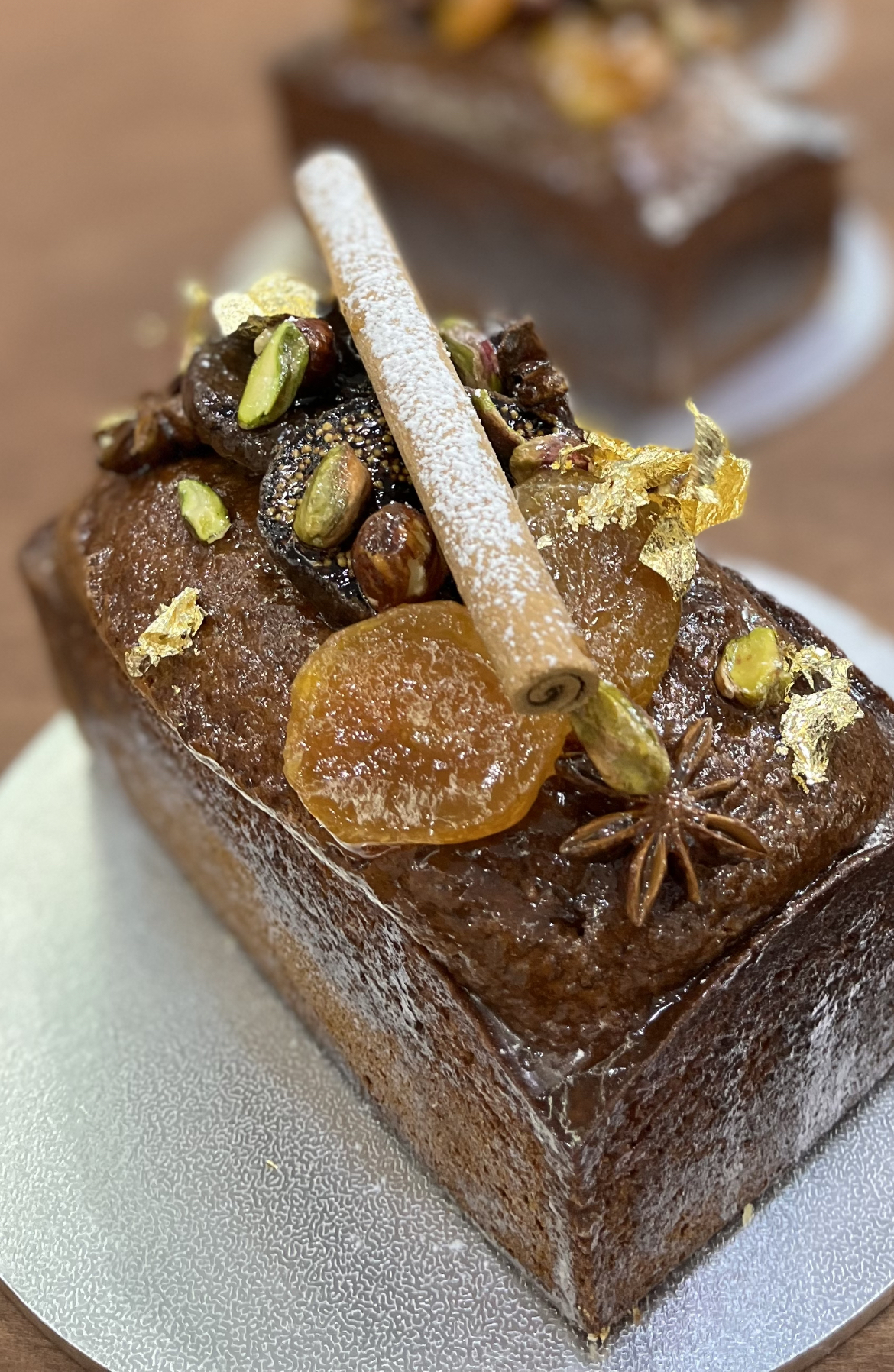
pain d'épice
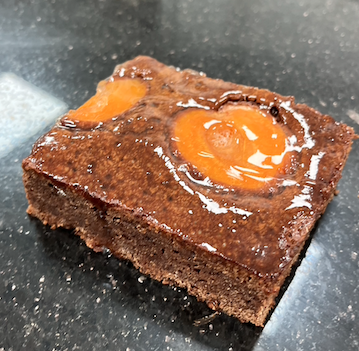
1. make the dry caramel 2. mix all the ingredient but keep the milk for the end mixing 3. mix well for few mn 4. add the milk and pour into the mould about 600gr 5. cook in convection oven for 45-50mn demold and glaze with sugar glaze ( icing sugar & water)