Search for Recipes

Search by ingredients

Click the ‘-’ to remove an ingredient, or click the ingredient itself to emphasize

Or you might want to search directly

View recipe

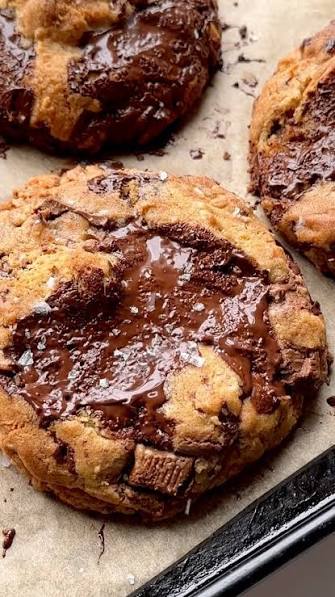
red velvet cookies

Preheat oven to 350°F (175°C). Line baking sheets with parchment paper. In a bowl whisk together flour (270 g), baking soda (5 g) and salt (3 g). In a separate large bowl, cream butter (170 g) and granulated sugar (if not listed, assume 150 g) until light and fluffy. — If you prefer exact sweetness, use 150 g granulated sugar. Beat in egg (50 g) and vanilla (5 g) until combined. Mix in cocoa powder (15 g) until evenly distributed. Gradually fold the dry ingredients into the wet mixture until just combined. Stir in white chocolate chips (170 g). Scoop tablespoon-sized portions onto prepared sheets, spacing ~5 cm apart. Bake 10–12 minutes, until edges are set. Centers may look slightly soft. Cool on the sheet 5 minutes, then transfer to a rack to cool completely.

View recipe

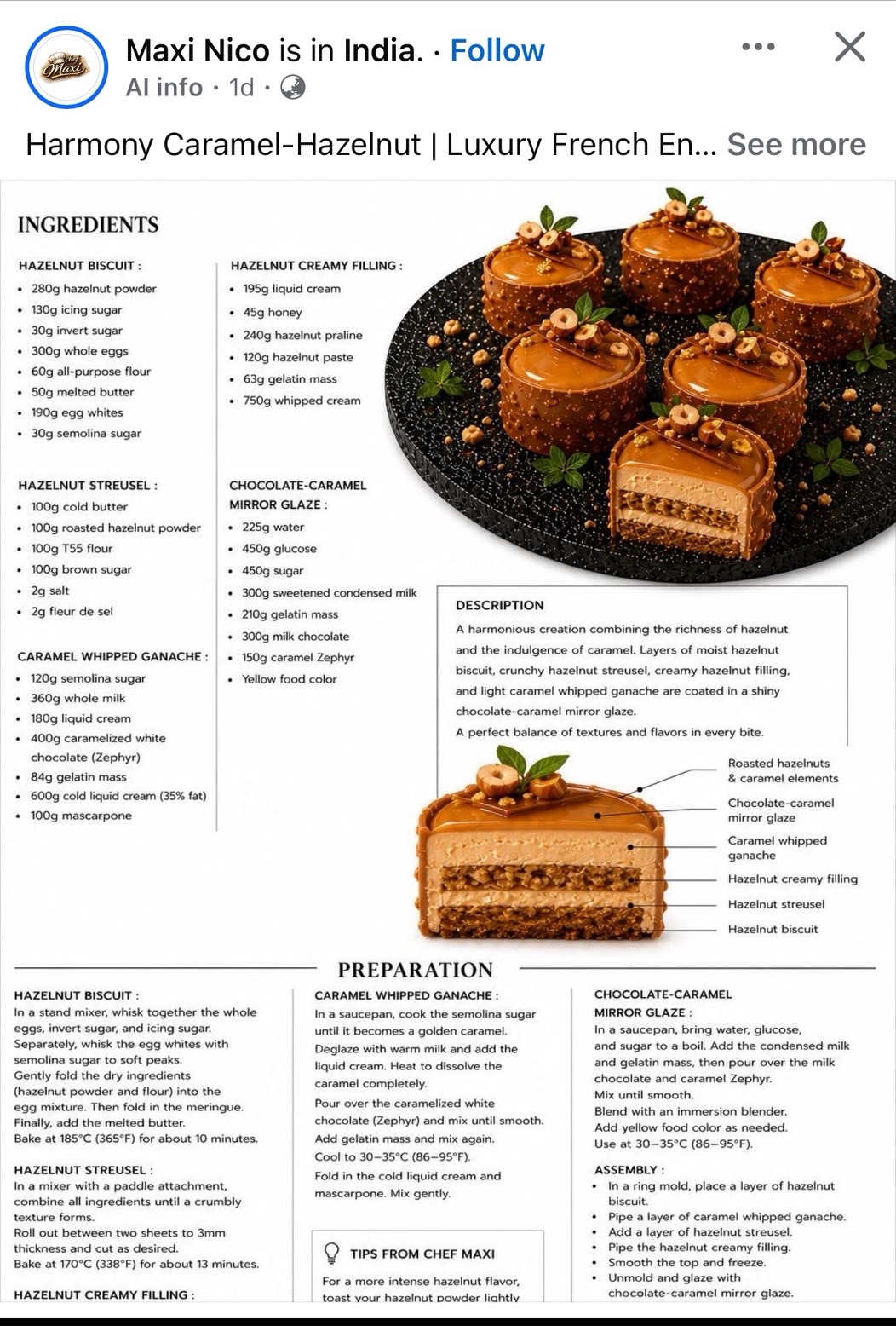
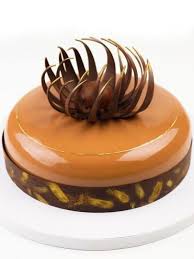
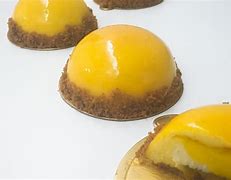
caramel glaze mirror

The Method (Makes approx. 1.8 kg of glaze) Step Action Details & Tips 1 Bloom Gelatine If your 210g gelatine mass isn't pre-made, rehydrate 30g gelatine powder in 180g cold water (1:6 ratio). Let sit for 10-15 min. 2 Cook the Syrup In a saucepan, combine 225g water, 450g glucose, and 450g sugar. Heat to 103°C – 106°C (217°F – 223°F). Do not stir once boiling to avoid crystallization. 4 Melt Chocolate Pour the hot syrup over 150g couverture milk chocolate with condensed milk  in a tall container. Let sit for 1 minute, then stir gently until melted and combined. 5 Add Gelatine Add the 210g gelatine mass (fully melted/smooth) to the warm mixture. Stir until completely dissolved. 6 Add Color Add 1g yellow food coloring (gel or powder preferred; if liquid, reduce water slightly). Use an immersion blender to emulsify fully. 7 Blend & Deaerate Blend with immersion blender submerged to avoid air bubbles. Then tap the container on the counter to bring bubbles to the surface. Pass through a fine-mesh sieve or use a blowtorch briefly over the surface to pop bubbles. 8 Cool to Usage Temp Cover with plastic wrap touching the surface. Refrigerate until glaze reaches 30°C – 35°C (86°F – 95°F) — the ideal viscosity for pouring. Do not use colder, or it will be too thick.

View recipe

hazelnut biscuit

Method Prep Preheat oven to 170 °C (340 °F). Line a baking sheet or a cake frame with parchment paper. Mix dry base Sift together hazelnut powder, icing sugar, and flour. Set aside. Whole eggs + trimoline In a bowl, whisk whole eggs and trimoline until slightly pale and frothy. (Trimoline adds moisture and tenderness.) Combine dry + egg mixture Fold the sifted dry ingredients into the egg‑trimoline mixture until just combined. Melted butter Stir in the melted butter gently. Meringue In a clean bowl, whip egg whites to soft peaks, then gradually add the sugar and beat to firm, glossy peaks. Fold Fold ⅓ of the meringue into the hazelnut batter to loosen, then gently fold in the rest until no white streaks remain. Don’t overmix – keep air in. Bake Spread batter evenly (about 5–7 mm thick for a thin biscuit layer). Bake for 10–12 minutes until golden and springy to touch. Cool Let cool on the tray, then peel off paper. Use as a cake base, roll into a roulade, or cut into shapes.

View recipe

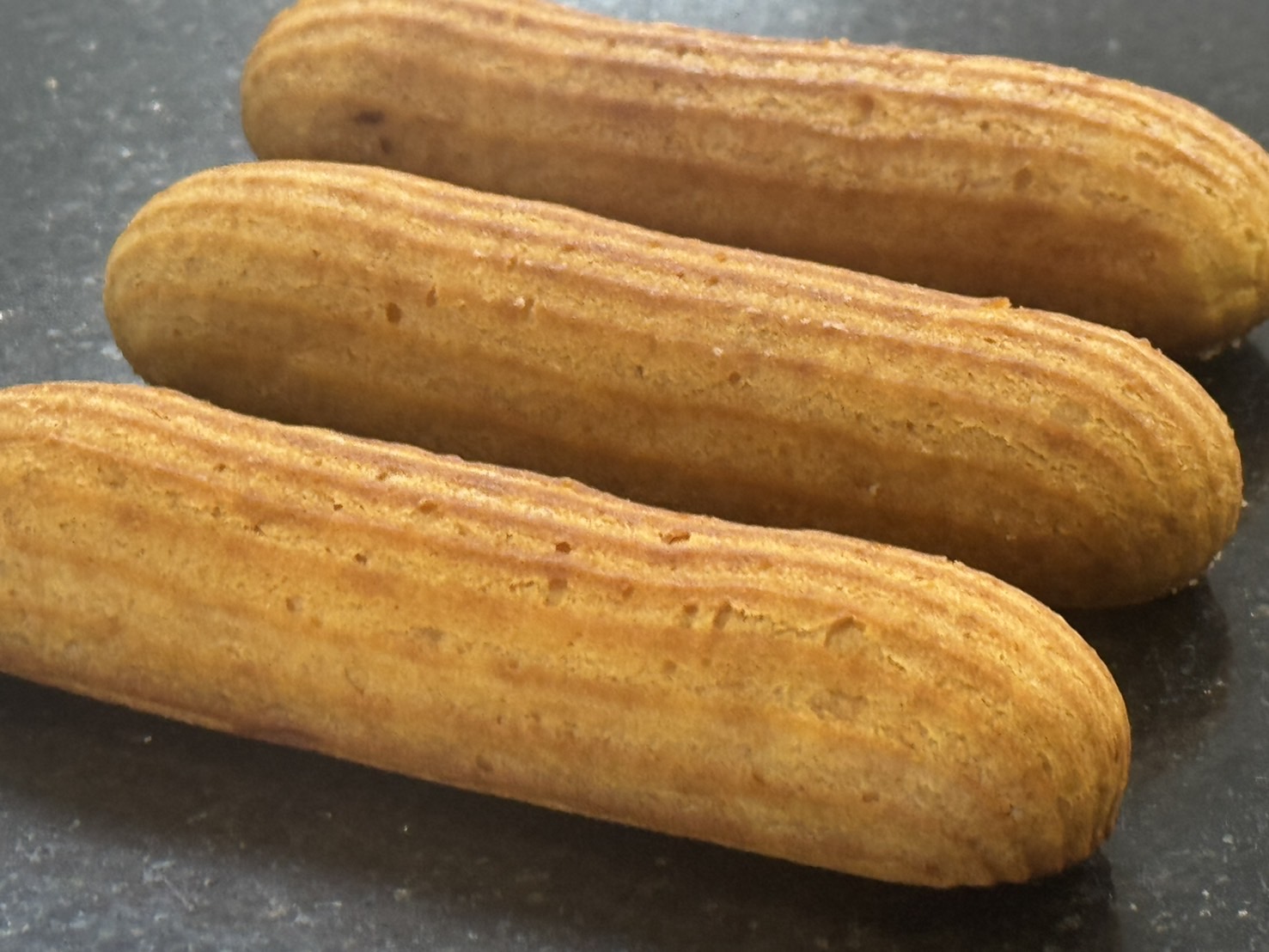
pate a choux MOF

Step-by-Step Method 1. Cook the liquid, butter, salt (and sugar) In a saucepan, combine water (or milk + water), butter, salt, and sugar. Bring to a rolling boil over medium heat — butter should be fully melted before it boils. 2. Add flour all at once Remove pan from heat. Add all the flour at once. Stir vigorously with a wooden spoon until the flour is fully absorbed. 3. Dry the dough (dessécher) Return pan to medium heat. Stir constantly for 1–2 minutes. A thin, dry film will form on the bottom of the pan. The dough should pull away from the sides and form a smooth ball. 4. Cool slightly Transfer dough to a mixing bowl (or stand mixer with paddle). Let it cool for 2–5 minutes — you want it warm, not hot, so eggs don't scramble. 5. Add eggs gradually Beat eggs in a small bowl. Add them little by little (starting with a few tablespoons), mixing thoroughly after each addition. After each addition, the dough will look broken/separated, then come back together into a smooth, glossy paste. Stop adding eggs when: The dough is thick but pipeable It slowly falls from a spoon in a V-shape (“ribbon stage”) You don’t see cracks on the surface

View recipe

crispy cream donut

Step-by-Step Method Day 1: Make and Rest the Dough 1. Activate the yeast In the bowl of a stand mixer fitted with a dough hook, combine the warm water and yeast. Let it stand for 5-10 minutes until it becomes foamy. This proves the yeast is active . 2. Mix the dough Add the sugar, salt, softened butter, whole egg, egg yolk, vanilla extract, and 2½ cups of flour to the bowl. Knead on low speed until a shaggy dough forms. If the dough is very sticky, add the remaining flour one tablespoon at a time. The dough should be soft and slightly tacky but pull away from the sides of the bowl. 3. First rise Transfer the dough to a lightly oiled bowl. Cover tightly with plastic wrap and place in a warm, draft-free spot to rise for about 2 hours, or until doubled in size . 4. Overnight refrigeration Gently press down on the dough to deflate it. Re-wrap it tightly in plastic wrap and refrigerate for at least 8 hours, or overnight. This slow rest is non-negotiable for achieving the right flavor and texture . Day 2: Shape, Fry, and Glaze 5. Shape the doughnuts On a generously floured surface, roll the chilled dough out to ½-inch thickness. Use a floured doughnut cutter (or two different-sized round cutters) to stamp out the shapes. Place them on a parchment-lined baking sheet. You can re-roll the scraps once to cut more doughnuts . 6. Second rise (proofing) Cover the shaped doughnuts with a clean kitchen towel and let them rise for about 1 hour. They should look noticeably puffy . 7. Heat the frying oil About 15 minutes before the proofing is done, melt the vegetable shortening in a large, heavy-bottomed pot or Dutch oven over medium heat. Use a thermometer to bring the temperature to exactly 365°F (185°C). Maintaining the correct temperature is crucial to prevent greasy doughnuts . 8. Fry the doughnuts Line a baking sheet with paper towels and place a wire rack on top. Working in batches of 2-3, carefully lower the doughnuts into the hot shortening. Fry for about 60 seconds per side, until puffed and golden brown. Use a slotted spoon or spider to transfer the fried doughnuts to the wire rack to drain and cool slightly . 9. Make the glaze While the doughnuts are still warm, whisk together the powdered sugar, water, and vanilla extract in a medium bowl until completely smooth . 10. Glaze the doughnuts Dip each warm doughnut into the glaze, turning to coat both sides. Return to the wire rack and allow the glaze to set for about 15 minutes before serving. The warm doughnuts help the glaze adhere and form that signature thin, crackly shell . (Optional) Make the chocolate icing If you want chocolate-iced doughnuts, heat the butter and chocolate chips over low heat until melted and smooth. Remove from heat and stir in the powdered sugar and vanilla. Add hot water one tablespoon at a time until the icing reaches a spreadable consistency. Once the original glaze has set slightly, spread the chocolate icing on top .    

View recipe

Honey Crown cookies

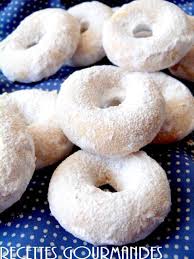
1. add butter and flour  2. add eggs 3. add honey, lemon zest and baking powder 4. mix well together and place in chiller for few hour 5. roll the dough and make donut shape 6. bate at 170 for 15mn 7. place in icing sugar after baking

View recipe

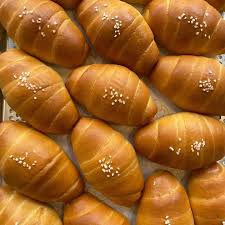
shio pan

Prepare the Dough In a mixing bowl, combine flour, sugar, salt, and yeast. Gradually add warm milk and mix until a rough dough forms. Add softened butter and knead for about 10-15 minutes (by hand or mixer) until smooth and elastic. First Rise Shape the dough into a ball, place in a greased bowl, cover with a damp cloth, and let it rise in a warm place for 1 hour or until doubled in size. Shape the Rolls Punch down the dough and divide into 6-8 equal pieces. Roll each piece into a smooth ball and place on a baking tray lined with parchment paper. Second Rise Cover with a damp cloth and let rise again for 30-45 minutes until puffy. Bake Preheat oven to 180°C (350°F). Brush the rolls with milk or egg wash and sprinkle with coarse salt. Bake for 15-18 minutes until golden brown.

View recipe

scone

Prepare the dry ingredients: In a large bowl, sift together the flour, baking powder, and salt. This helps to aerate the flour and avoid lumps. Cream the butter and sugar: Using a mixer fitted with the paddle attachment, cream the butter and sugar until light and fluffy. Add the wet ingredients: Add the egg and buttermilk to the butter-sugar mixture. Mix until well combined. Combine wet and dry ingredients: Gradually add the dry ingredients to the wet mixture. Mix until just combined to avoid overworking the dough. Rest the dough: Let the dough rest for 5 minutes. Roll out the dough: Roll out the dough to a thickness of about 13 mm (1/2 inch). Cut out the scones: Use a 6 cm (2.5-inch) round cutter to cut out scones from the dough. Place them upside down on a baking sheet lined with silicone baking mats or parchment paper. Glaze the scones:

View recipe

Tuscan Schiacciata Bread

Make the pre-fermented dough. Mix together water, flour and yeast. Let sit for 6-12 hours, preferably overnight. Make the schiacciata dough. In a large bowl, combine the pre-fermented dough along with 500 grams flour, 250 grams water and 6 grams salt. Mix until a shaggy dough forms, then knead with your hands until the dough is smooth and elastic but still slightly sticky, 5-10 minutes. If the dough seems very sticky and isn't coming together, add a little more flour. Add a good drizzle of olive oil to the bowl and turn the ball of dough to coat well. Then cover with a damp kitchen towel and allow to rise for two hours, folding the dough over on itself a few times every 30 minutes for this first rise. Drizzle a sheet pan with a generous amount of olive oil. Then stretch the risen dough out onto the sheet pan, doing your best to make it reach all the corners and sides. If you're having trouble stretching the dough (it's very elastic), let it rest for about 5 minutes between stretches. Cover the stretched dough with plastic wrap or a damp kitchen towel and allow to rise again, 2 hours.  While the dough is rising, preheat oven to 450. Once risen, use your fingertips to dimple the dough. Then coat it in another generous amount of olive oil and sprinkle with flaky sea salt. Bake the dough for 20-25 minutes, until it is golden brown and the bottom is nice and crusty. Allow it to cool in the pan for 10 minutes before slicing into squares and then slicing across to make sandwiches.

View recipe

oatmeal cookies

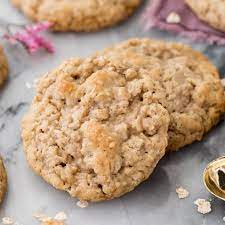
1. Creaming method. 2. Combine oats with other dry ingredients after they are sifted. Blend raisins in last. 3. Use greased orparchment-lined baking sheets. 4. baking at 190°C for 10–12 minutes, de- pending on size

View recipe

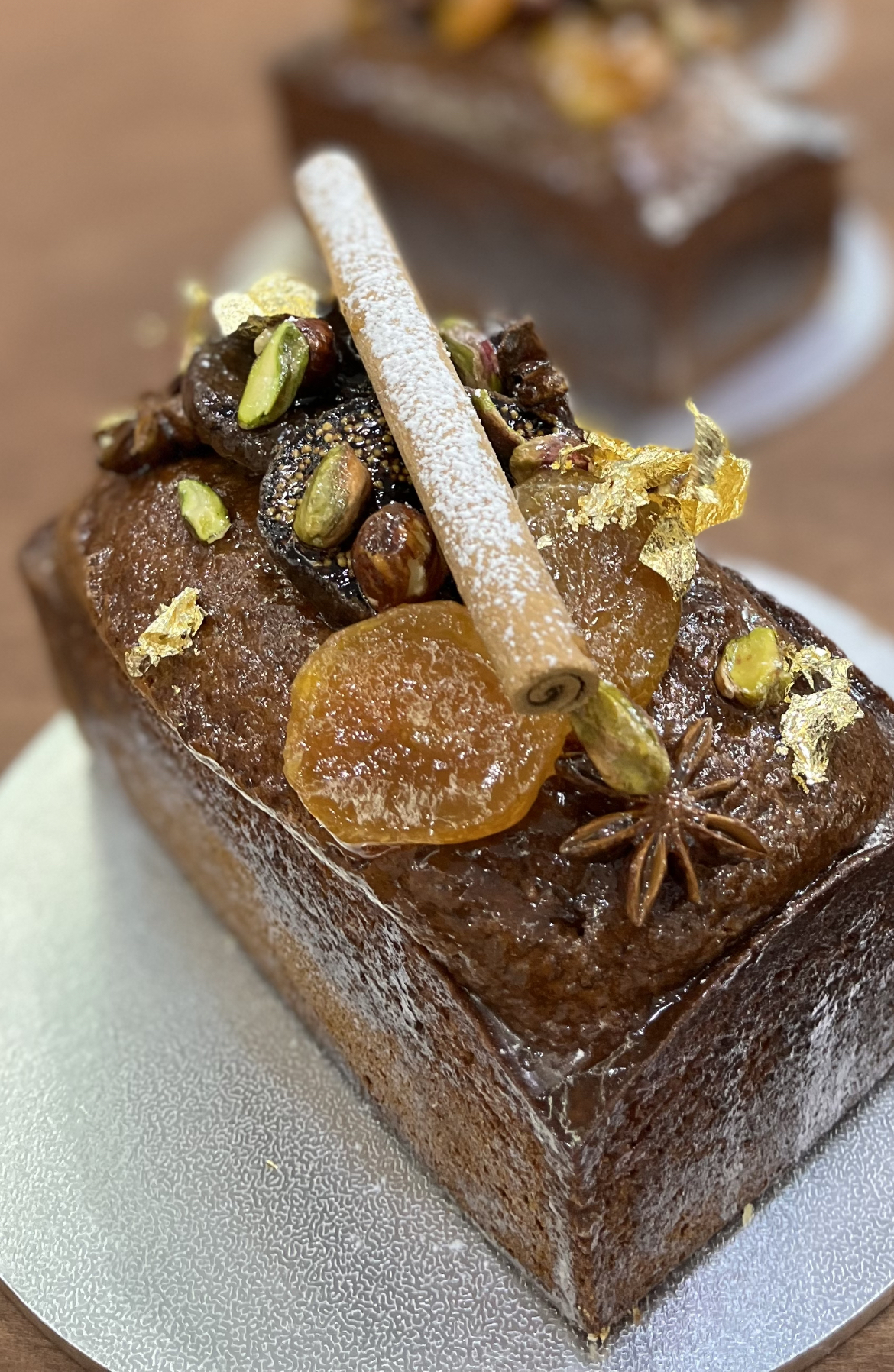
pain d'épice

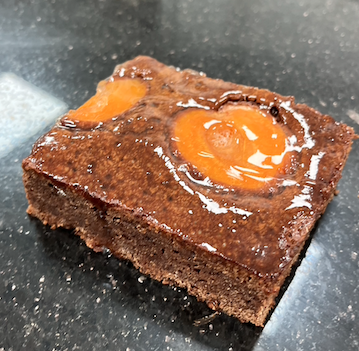
1. make the dry caramel 2. mix all the ingredient but keep the milk for the end mixing 3. mix well for few mn 4. add the milk and pour into the mould about 600gr 5. cook in convection oven for 45-50mn demold and glaze with sugar glaze ( icing sugar & water)

View recipe

puff pastry brioche

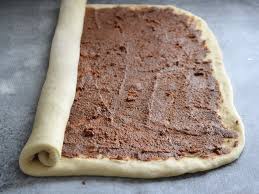
mixer fitted with a dough hook, add the flour, salt, sugar, yeast, eggs, and milk, and mix on the first speed setting for 35 minutes. Add the butter and mix on the second speed setting for 8 minutes. Cover the dough with a wet cloth and let rise for 1 hour at room temperature. In an electric stand mixer fitted with a dough hook, add the flour with the salt, superfine sugar, eggs, milk, and yeast. Mix on the first speed setting until the dough is smooth, then on the second speed setting until the dough begins to come away from the sides of the bowl. Mix in the softened butter and knead again until the dough is smooth. Cover with a damp cloth, then let rise at room temperature (75 to 80°F/24 to 25°C) for 1 hour. Punch down the dough by hand, then roll it out to the width of the dry butter and double its length. Freeze for 5 minutes, then refrigerate for 15 minutes. Place the dry butter in the middle of the dough, and fold over the edge of the dough on each side. Place butter side up. Using a rolling pin, make a double turn: Roll from top to bottom to a thickness of about 1⁄4 inch (7 mm). Make a slight mark in the middle of the dough, fold the top and bottom to this midpoint, and fold the dough in half again like a wallet. Refrigerate for 10 minutes. Finally, do a simple turn: Roll out the dough to a thickness of 3⁄8 inch (1 cm), fold the top third of the dough down, and then fold the bottom third over the top. Roll out to a thickness of 1⁄8 inch (3.5 mm). 1. In an electric stand mixer fitted with a dough hook, mix the flour, 420 ) of water, the egg, yeast, salt, superfine sugar, and honey. 2. Mix on the first speed setting until the dough is smooth, then on the second speed setting until the dough begins to come away from the sides of the bowl. 3. Mix in the softened butter and knead again until the dough is smooth. 4. Cover with a damp cloth, then let rise at room temperature 24 to 25°C for 1 hour. 5. Punch down the dough by hand, then roll it out to the width of the dry butter and double its length. 6. Freeze for 5 minutes, then refrigerate for 15 minutes. 7. Place the dry butter in the middle of the dough and fold over the edge of the dough on each side. 8. Place butter side up. Using a rolling pin, make a double turn: Roll from top to bottom to a thickness of about 7 mm. 9. Make a slight mark in the middle of the dough, fold the top and bottom to this midpoint, and fold the dough in half again like a wallet. 10. Refrigerate for 10 minutes. 11. Finally, do a simple turn: Roll out the dough to a thickness of 1 cm, fold the top third of the dough down, and then fold the bottom third over the top. 12. Roll out to a thickness of 3.5 mm.

View recipe

raspberry preserve

1. In a saucepan, heat the raspberries with half the superfine sugar. 2. Stir in the second half of the sugar mixed with the pectin NH. 3. Boil for 1 minute, then add the strained lemon juice. 4. Mix and transfer to a vacuum-sealed bag.

View recipe

Pastry Cream vanilla

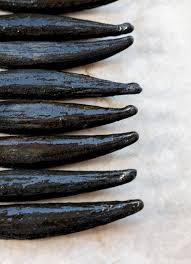
1. In a saucepan, heat the milk and cream. Halve the vanilla beans lengthwise, scrape out the seeds, and add the seeds and pods to the saucepan to infuse for 20 minutes. 3. In a bowl, whisk the superfine sugar, custard powder, flour, and egg yolks until pale. 4. Strain the hot milk-cream-vanilla mixture through a conical sieve 5. then pour it over the egg yolk mixture. 6. Return to a clean saucepan and cook over medium heat for 2 minutes, until thick, whisking constantly. 7. Remove from the heat and add cocoa butter,  

View recipe

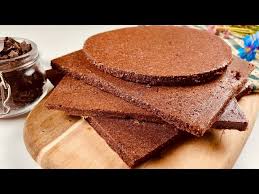
Sacher sponge cake

1. in a Kitchen Aid whip the egg whites and make a meringue with the superfine sugar. 2. Stir in the sifted mixture of confectioners’ sugar, ground almonds, cocoa powder, and flour. 3. Preheat the oven to 165ºC 4. Spread the cake batter over a baking sheet lined with parchment paper and bake in the oven for 15 minutes.